
12 August 2026 · Michael Harper
How Smart Algorithms Are Making Insurance More Accessible

Insurance has long carried a reputation for being complicated and out of reach for many people. But in recent years, something has shifted. Smart algorithms are quietly changing the way policies are created, priced, and delivered. These tools analyze vast amounts of data in seconds, turning what used to be a lengthy paperwork process into something much quicker and more personal.
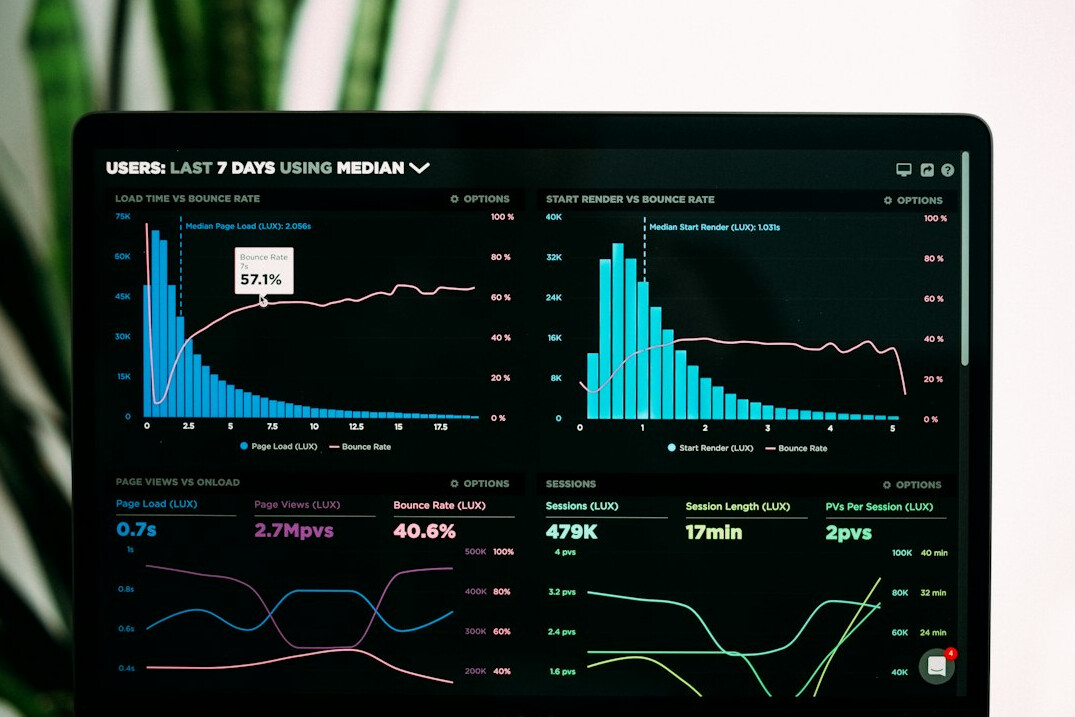
Take the application process, for example. In the past, filling out forms and waiting for approval could take weeks. Now, algorithms pull information from public records, credit histories, and even driving habits if you opt in. This means decisions happen almost instantly. A young driver with a clean record might see lower rates right away because the system recognizes safe patterns without needing a human to review every detail.
Personalized Pricing Becomes the Norm
One of the biggest changes comes from how algorithms handle risk assessment. Traditional methods grouped people into broad categories, which often meant higher costs for those who did not fit the average. Modern systems look at individual behaviors and circumstances. Someone who exercises regularly or maintains a stable job might receive better terms because the data shows lower risk over time.
These adjustments make coverage feel fairer. Families in rural areas, who once faced limited options, now benefit from models that factor in local weather patterns and community safety statistics. The result is more people finding policies that actually fit their lives instead of settling for whatever is available.
Breaking Down Barriers for New Customers
Access improves most noticeably for groups that were previously overlooked. Young adults starting out or small business owners without long credit histories can now prove their reliability through alternative data points. Algorithms consider things like utility payments or education milestones, opening doors that used to stay closed.

Language and location used to create extra hurdles too. Today, digital platforms use these same smart tools to translate explanations clearly and guide users through options in their preferred language. Someone living abroad or in a non-English speaking household can compare plans without confusion or extra fees for assistance.
Speed and Transparency in Claims
Claims handling has also seen major improvements. When an incident occurs, algorithms can review photos, reports, and sensor data to estimate damages quickly. This cuts down on back-and-forth communication and reduces the chance of errors that frustrate customers. Payouts arrive faster, which helps people recover without added stress.
Transparency plays a key role here. Users receive breakdowns of how decisions were reached, showing which factors influenced their rates or claim outcomes. This builds trust because nothing feels hidden behind vague terms.
Algorithms do not replace human judgment entirely, but they handle the repetitive work so agents can focus on complex cases that need personal attention.
Looking Ahead at Continued Improvements
As these systems grow more refined, the insurance world keeps becoming more inclusive. Companies test new variables constantly, from health app data to community infrastructure details. The goal remains simple: match the right protection to each person without unnecessary obstacles.

Studyzonely has noticed this trend in its own programs, where students explore how coding these algorithms leads to real-world impact. The shift toward smarter tools means more individuals gain protection that supports their goals rather than holding them back.